
Blog
Bollywood’s Iconic Influence on Saree Fashion: A Pop Culture Classic
Bollywood has played an essential role in making sarees a timeless fashion statement, elevating traditional attire into an international symbol of elegance. From Sridevi’s ethereal blue saree in Mr...
Read moreReviving the Jamdani Weave: From Past to Present
The Jamdani weave is one of the most intricate and labor-intensive handloom techniques in India. Originating in Bengal, Jamdani sarees are known for their exquisite patterns that seem to float on t...
Read moreThe Importance of Natural Dyes in Sustainable Saree Production
Natural dyes have been used for centuries to add vibrant colors to sarees without harming the environment. Unlike synthetic dyes, which release toxic chemicals and can be harmful to both artisans a...
Read moreThe Role of Zari Work in Saree Embellishment
Zari work is one of the most recognizable forms of embellishment found in Indian sarees. Originating from Persia, this ancient art form involves weaving metallic threads, often made of silver or go...
Read moreHandloom Sarees: Preserving India’s Cultural Heritage
Handloom sarees are a crucial part of India’s cultural fabric. Weaving, dyeing, and creating sarees by hand is an ancient craft that has been passed down through generations, helping to preserve th...
Read moreSustainability in Indian Textiles
As sustainability becomes a significant focus in the fashion industry, India’s textile traditions stand out for their eco-friendly practices. Handloom sarees, for instance, are inherently sustainab...
Read moreHow to Style Handwoven Sarees for Modern Occasions
Handwoven sarees are perfect for blending tradition with modern fashion. For formal events like weddings, consider pairing a traditional silk saree with contemporary accessories, such as statement ...
Read moreSaree Weaving Traditions Across India
India’s saree weaving traditions are a testament to the country’s rich cultural diversity and craftsmanship. From the vibrant Kanchipuram silks of Tamil Nadu to the detailed Jamdani of Bengal, each...
Read moreKantha Embroidery: A Journey Through Tradition and Craftsmanship
Step One: Creating the Outline The creation of Kantha embroidery begins with outlining the design. Artisans use a traced pattern that is pierced and then transferred onto the fabric using a liquid ...
Read moreThe History and Evolution of Dupattas: Tracing Its Cultural Significance
The dupatta, a versatile piece of fabric traditionally worn with Indian attire, has a rich history that reflects its cultural significance. Its origins can be traced back to the Indus Valley Civili...
Read morePhulkari Embroidery: History, Motifs and Patterns
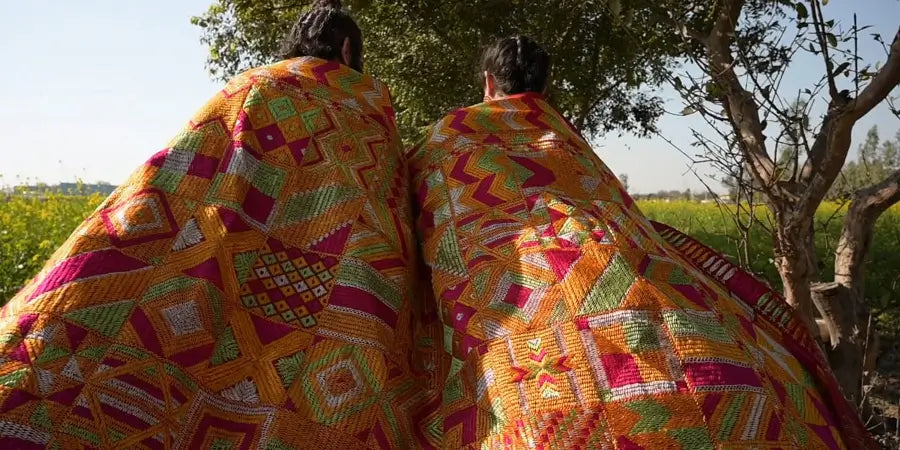
Phulkari, meaning “flower work,” is a vibrant embroidery tradition from Punjab, India, characterized by its intricate designs and rich colors. This art form has deep roots in Punjabi culture, often...
Read moreHistory and Evolution of Sarees: From Ancient Civilizations to Modern Fashion
The saree is a timeless garment that has adorned women in India and beyond for over 5,000 years. Originating from the Indus Valley Civilization, early sarees were unstitched drapes made from cotton...
Read more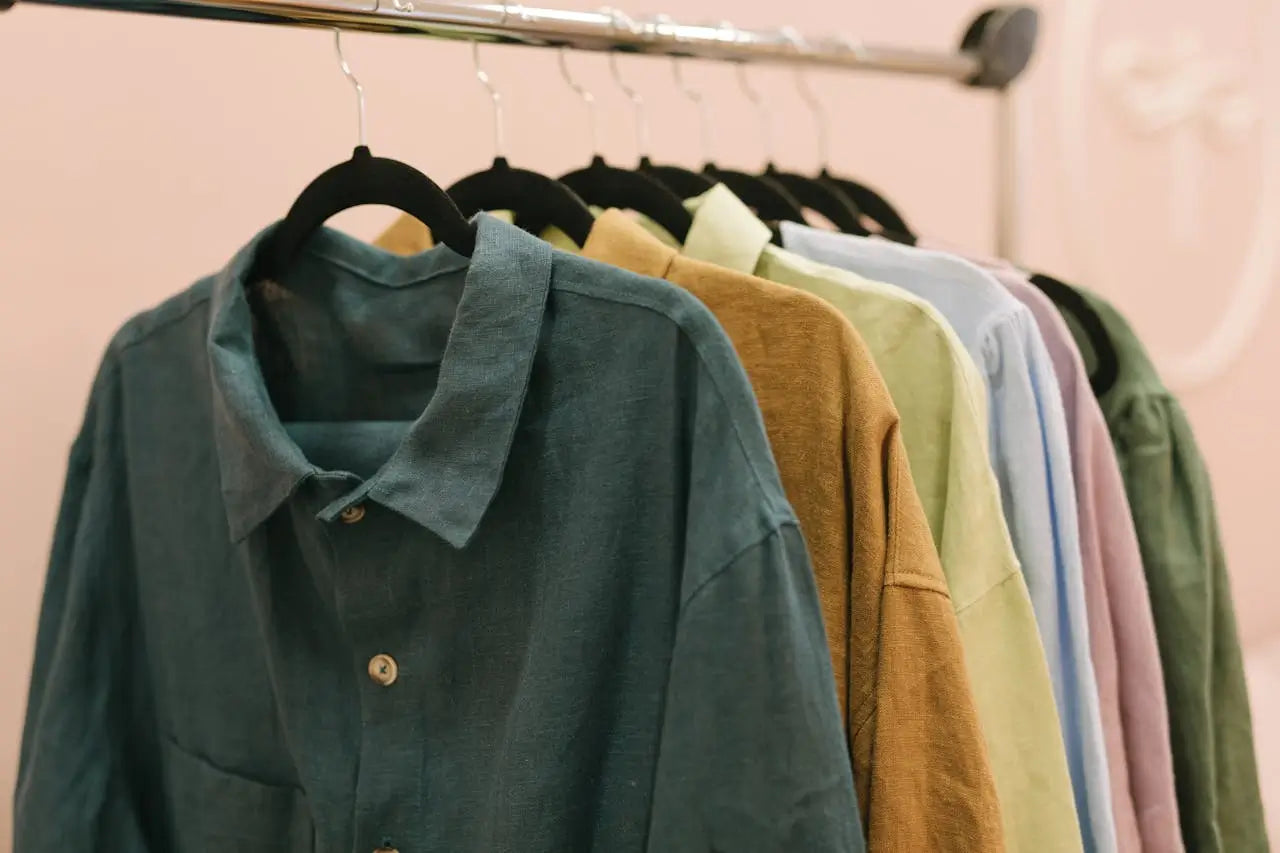
Caring for Your Handcrafted Garments: Tips and Tricks
Handcrafted garments require special care to preserve their beauty and integrity. Whether it’s a hand-embroidered dress, a handwoven scarf, or naturally dyed fabric, proper maintenance can extend t...
Read more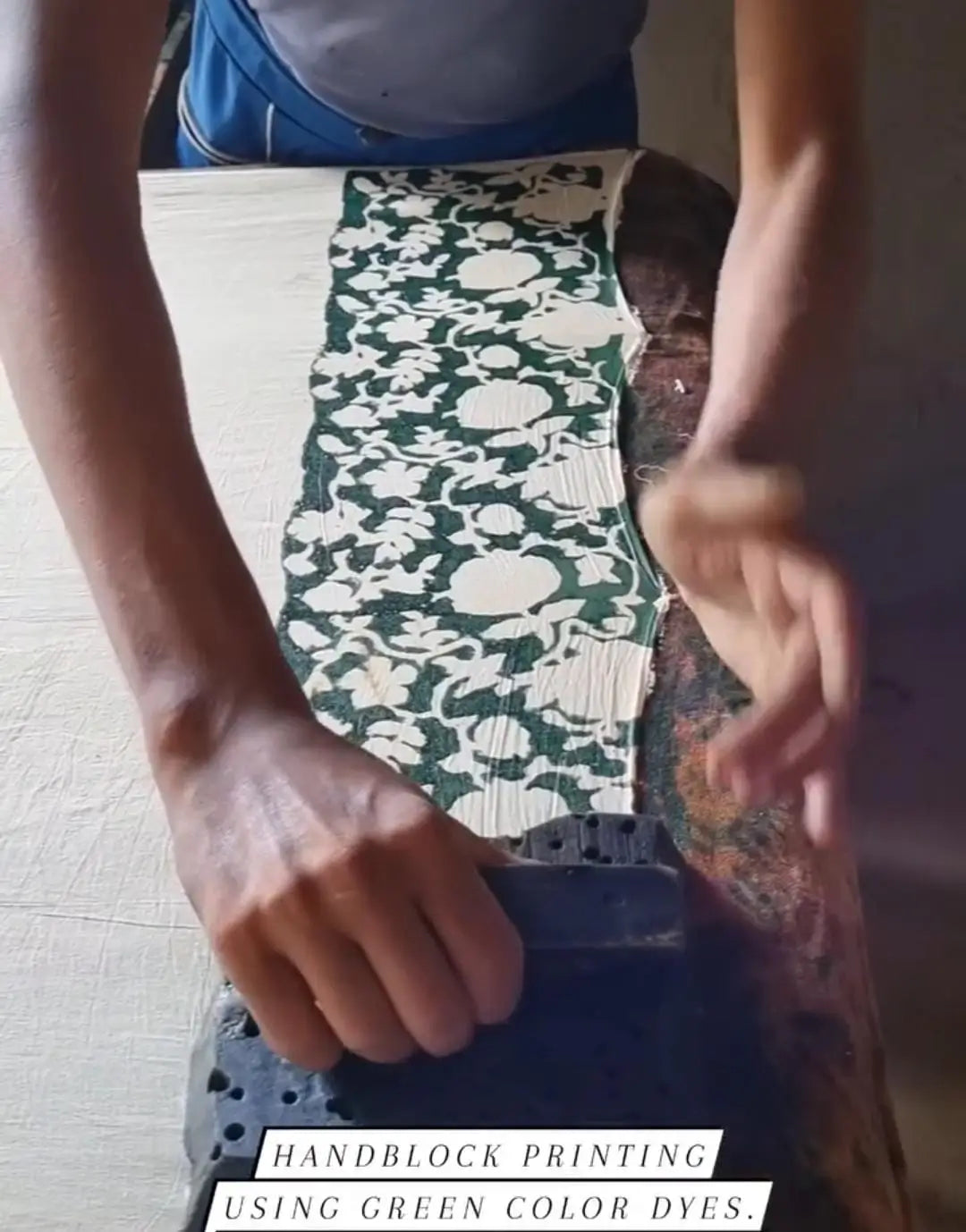
The Revival of Traditional Handwork in Modern Fashion
The revival of traditional handwork in modern fashion marks a return to craftsmanship and heritage in an industry often dominated by fast-paced, mass-produced trends. This movement celebrates the a...
Read more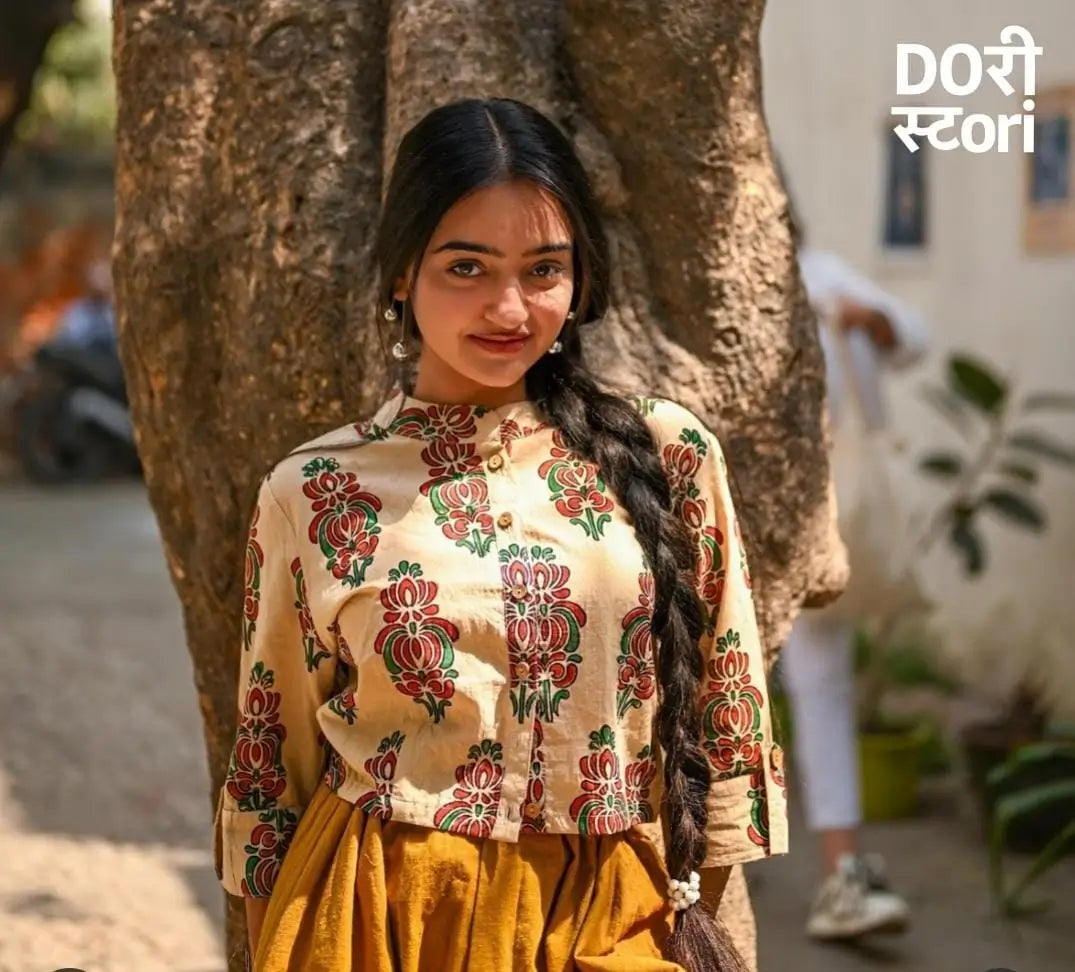
The Fusion of Traditional and Contemporary: Creating Unique Fashion Statements
The fusion of traditional and contemporary elements in fashion creates unique and innovative styles that resonate with diverse audiences. This approach combines the rich heritage of traditional cra...
Read more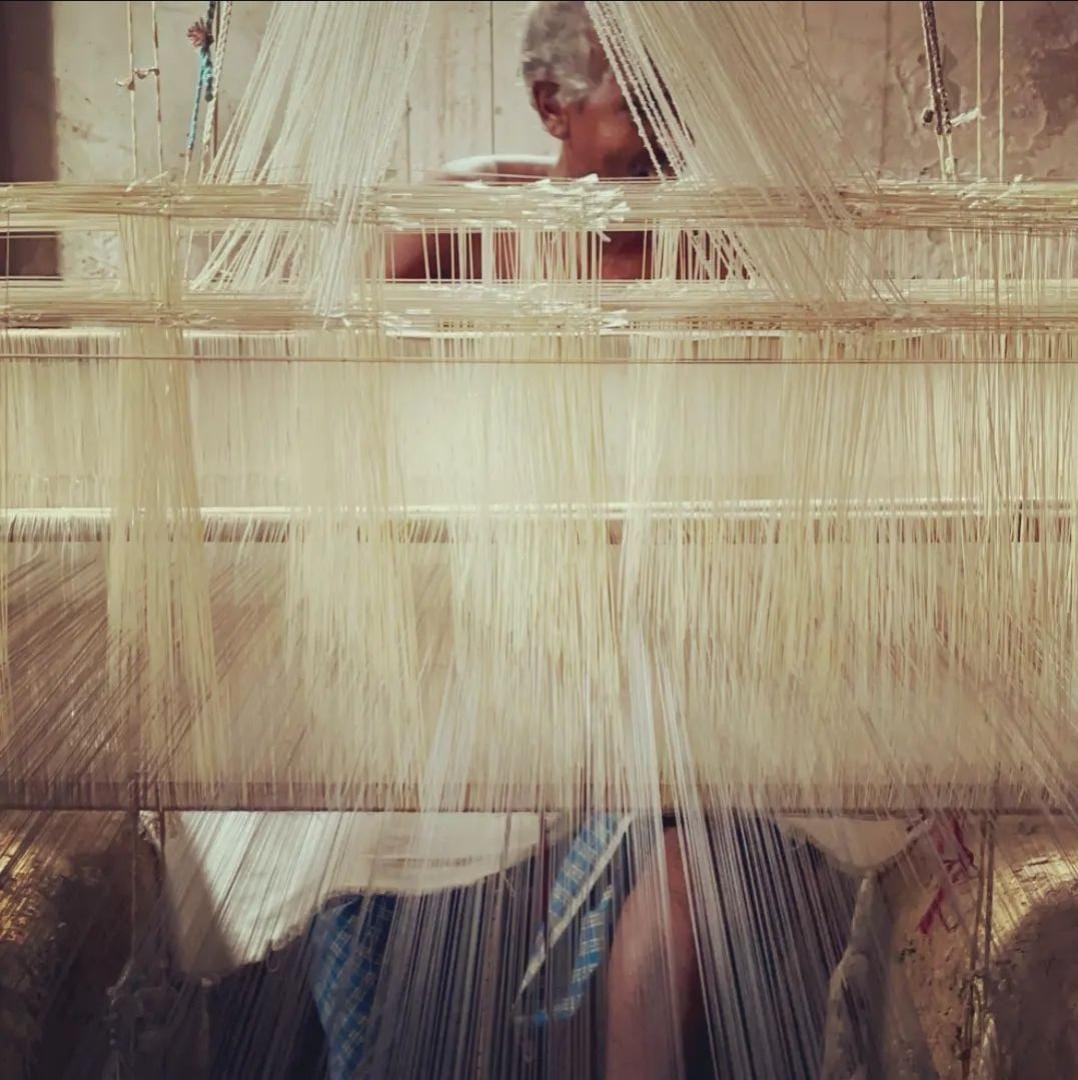
Sustainable Fashion: Handcrafted Textiles for a Better Future
Sustainable fashion emphasizes eco-friendly practices throughout the entire lifecycle of clothing, from design and production to consumption and disposal. Handcrafted textiles play a crucial role i...
Read moreOur Promise of Trust

Premium Quality
Crafted with care from the finest materials.

Secure Shopping
Your data and payments are always protected

Made in India
Crafted with love, heritage, and Indian artistry

Loved by Customers
Thousands trust us for style and comfort.