
History and Evolution of Sarees: From Ancient Civilizations to Modern Fashion
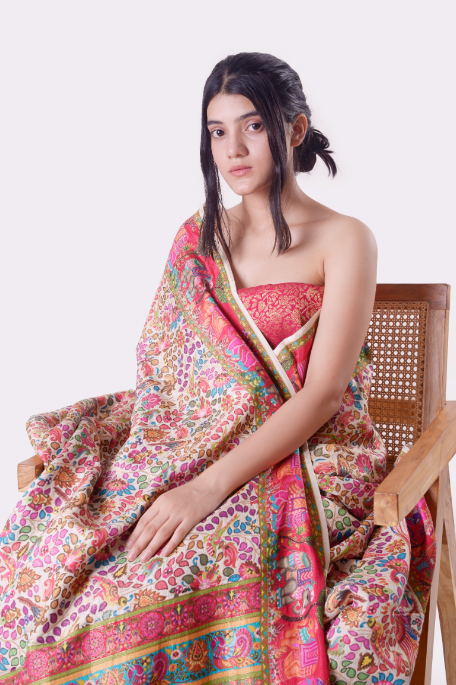
The saree is a timeless garment that has adorned women in India and beyond for over 5,000 years. Originating from the Indus Valley Civilization, early sarees were unstitched drapes made from cotton. Over the centuries, the saree evolved significantly, particularly during the Vedic Period, where it transformed into structured forms like the “uttariya” and “antariya.”
The Mughal Empire (16th-18th centuries) brought a luxurious twist to sarees, introducing rich fabrics such as silk and brocade, often embellished with intricate embroidery. This period marked the rise of regional styles, like Banarasi and Kanjeevaram sarees, each reflecting the unique cultural identity of its origin.
In the colonial era, Western influences began to reshape the saree, introducing blouses and petticoats into the ensemble. This integration allowed the saree to adapt to changing fashion trends while maintaining its cultural significance.
Today, the saree continues to thrive in modern fashion, embraced by designers and worn by women of all backgrounds. From vibrant contemporary designs to traditional weaves, the saree remains a symbol of elegance, grace, and cultural heritage.



Leave a comment
This site is protected by hCaptcha and the hCaptcha Privacy Policy and Terms of Service apply.