
The History and Evolution of Dupattas: Tracing Its Cultural Significance
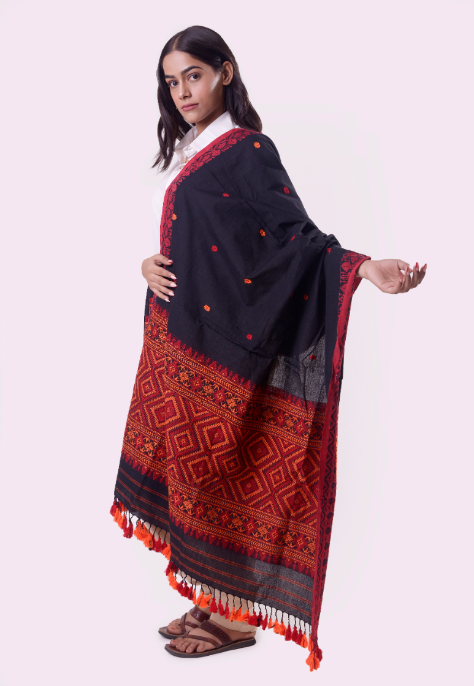
The dupatta, a versatile piece of fabric traditionally worn with Indian attire, has a rich history that reflects its cultural significance. Its origins can be traced back to the Indus Valley Civilization, where unstitched cloth was used for modesty and warmth.
During the Vedic Period, the dupatta took the form of the “uttariya,” an essential garment draped over the shoulders. With the arrival of the Mughals, the dupatta became a luxurious accessory, made from fine materials and adorned with elaborate embroidery. This period solidified the dupatta’s status as a symbol of femininity and grace.
In the colonial era, the dupatta adapted to the changing fashion landscape while still representing traditional values. Various regional embroidery styles, such as Phulkari and Kantha, added uniqueness and character to the dupatta, making it a cherished item in women’s wardrobes.
In contemporary fashion, the dupatta has evolved beyond modesty. It is now a fashionable accessory, often styled in innovative ways to complement both traditional and modern outfits. Whether worn at festivals, weddings, or casual outings, the dupatta continues to embody cultural heritage while allowing for personal expression.


Leave a comment
This site is protected by hCaptcha and the hCaptcha Privacy Policy and Terms of Service apply.