
Saree Weaving Traditions Across India
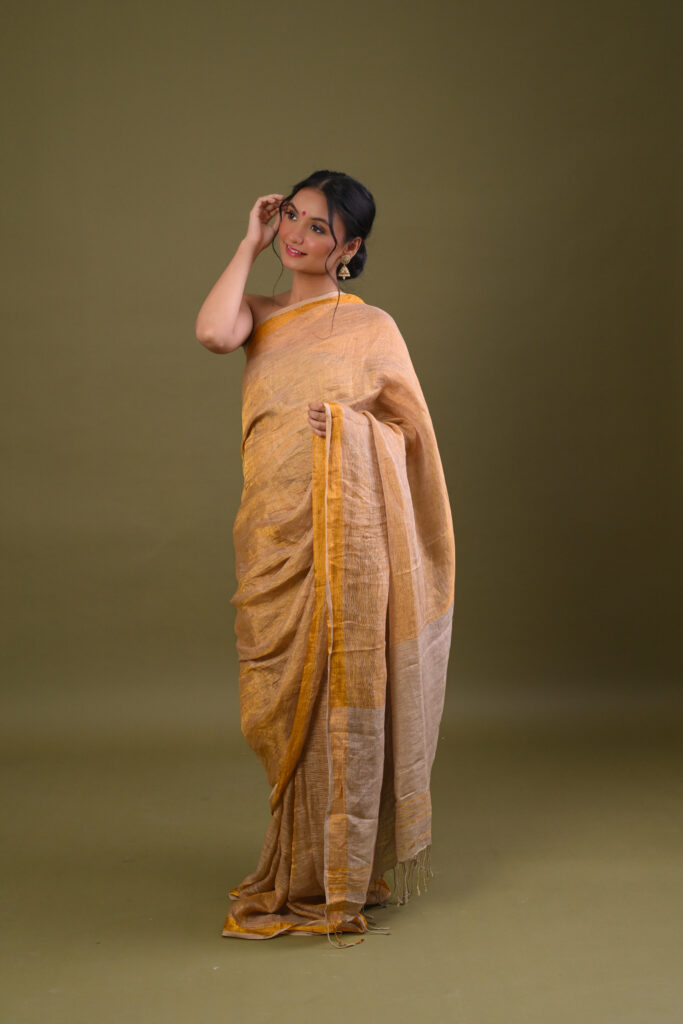
India’s saree weaving traditions are a testament to the country’s rich cultural diversity and craftsmanship. From the vibrant Kanchipuram silks of Tamil Nadu to the detailed Jamdani of Bengal, each region has developed its own unique saree styles and weaving techniques. These handwoven sarees are more than just garments; they are symbols of cultural heritage, carrying centuries of tradition and artistry.
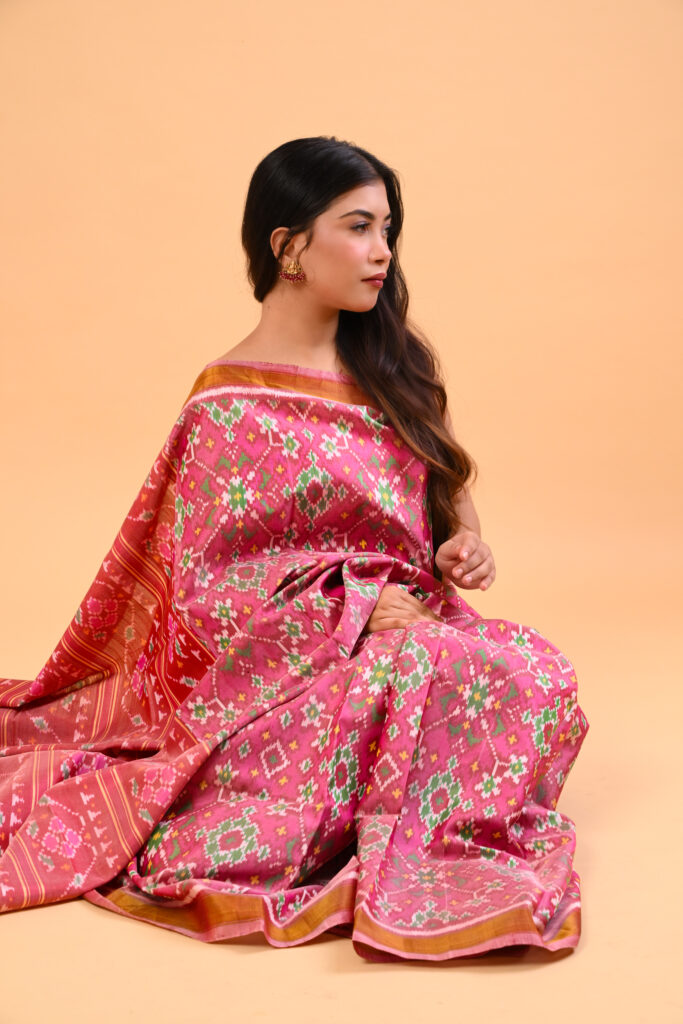
Take for example the Banarasi saree from Varanasi, known for its opulent silk fabric and intricate zari work. The Patola sarees of Gujarat are another exquisite example, requiring months to weave due to their complex double ikat technique. Similarly, the Jamdani saree, famous for its fine muslin fabric, features delicate motifs woven directly onto the fabric, making each saree a work of art.
These regional variations not only celebrate the weavers’ skill but also reflect the cultural nuances of their places of origin. From the patterns to the colors and even the materials used, sarees offer a glimpse into India’s diverse textile traditions, making them timeless treasures for any wardrobe


Leave a comment
This site is protected by hCaptcha and the hCaptcha Privacy Policy and Terms of Service apply.