
The Art of Luxury: What Makes Dorii Stori’s Clothing Truly Artisanal?
Introduction
In an era where fast fashion dominates, House of Shreem stands as a beacon of timeless elegance and craftsmanship. Each garment is not merely clothing but a narrative woven with threads of tradition, luxury, and artistry. But what truly sets House of Shreem apart in the world of artisanal fashion?
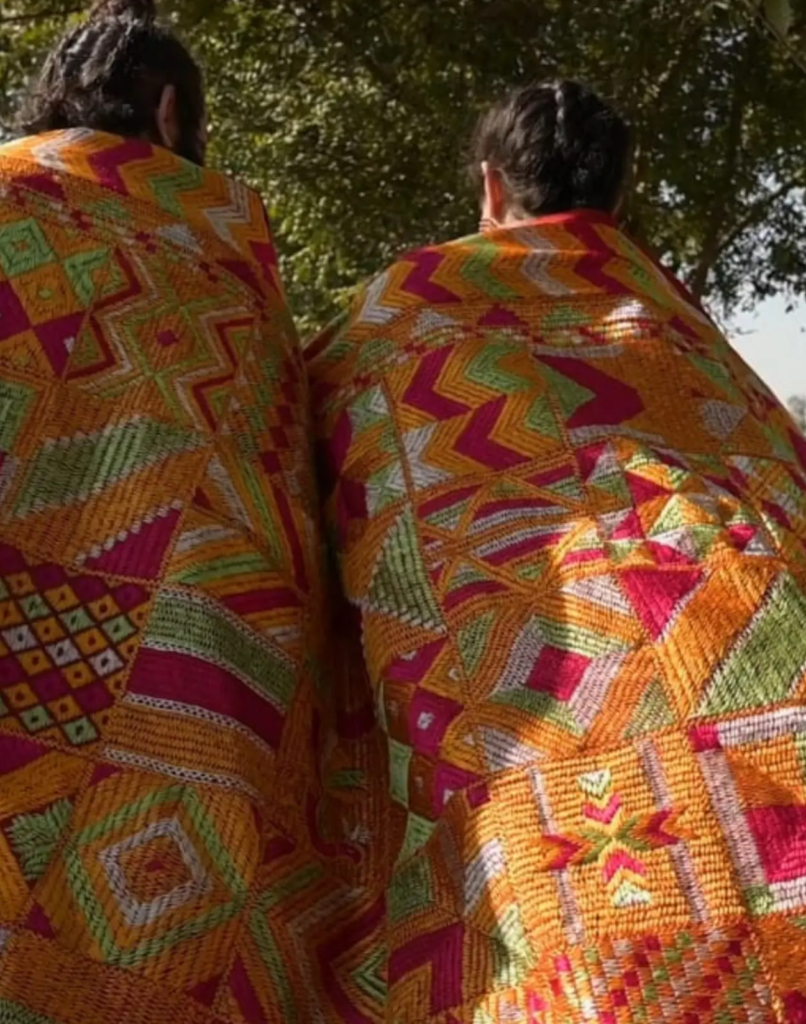
Welcome to Dorii Stori
1. Exquisite Materials: The Foundation of Luxury
Pure Mulberry Silk
At the heart of House of Shreem’s creations lies the use of pure mulberry silk, renowned for its unparalleled softness, sheen, and durability. This silk, often associated with Mysore silk, is produced in Karnataka, a region responsible for nearly 45% of India’s mulberry silk production . The meticulous selection of this silk ensures that each garment exudes a natural luster and drapes gracefully, embodying true luxury.
22K Gold Zari: A Touch of Opulence
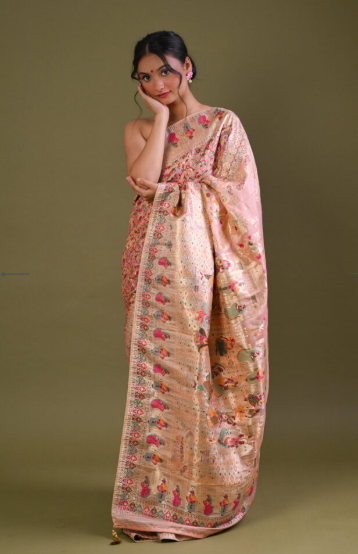
Elevating the grandeur of their garments, House of Shreem incorporates 22K gold zari into their designs. Zari, traditionally made of fine gold or silver threads, has been an integral part of Indian textiles, especially in regions like Surat, Gujarat Wikipedia. The inclusion of real gold zari not only adds a shimmering elegance but also signifies the brand’s commitment to preserving age-old traditions.
2. Masterful Craftsmanship: Weaving Stories Through Threads
Every piece from House of Shreem is a testament to the skill and dedication of artisans who have honed their craft over generations.
Handwoven Techniques
Unlike mass-produced garments, House of Shreem’s clothing is handwoven, ensuring each piece is unique. This meticulous process involves interlacing threads on a loom, a technique that requires precision and patience. The result is a fabric that not only feels luxurious but also tells a story of heritage and artistry.
Zardozi Embroidery: Intricate Detailing
Many of House of Shreem’s garments feature Zardozi embroidery, a form of elaborate metal embroidery that originated in Persia and was popularized in India during the Mughal era . This technique involves sewing gold and silver threads onto fabrics, creating intricate patterns that add depth and richness to the garments.
3. Cultural Inspirations: Designs Rooted in Heritage
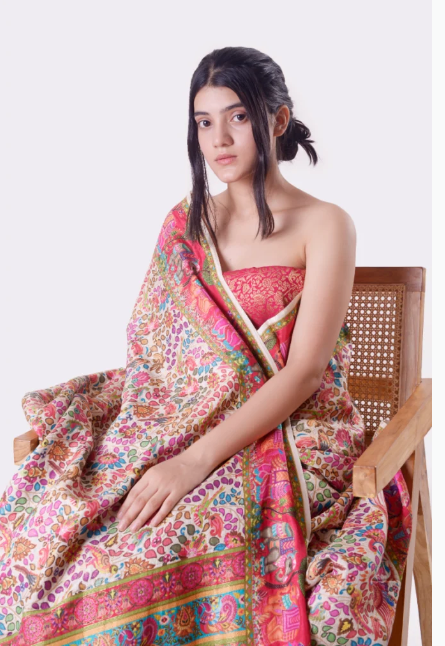
House of Shreem draws inspiration from India’s diverse cultural tapestry. Whether it’s the vibrant motifs of Paithani sarees, known for their peacock and lotus designs , or the contrasting borders of Kanchipuram sarees , the brand seamlessly integrates traditional elements into contemporary designs.
4. Sustainability and Ethical Practices
Beyond aesthetics, House of Shreem is committed to sustainable and ethical practices. By supporting local artisans and using eco-friendly materials, the brand ensures that its luxurious offerings do not come at the expense of the environment or communities.
Benarasi Baraat
Conclusion
House of Shreem’s clothing transcends mere fashion; it embodies a philosophy where luxury meets tradition, and artistry meets ethics. Each garment is a celebration of India’s rich textile heritage, meticulously crafted to offer not just attire, but a piece of art.


Leave a comment
This site is protected by hCaptcha and the hCaptcha Privacy Policy and Terms of Service apply.